
When your child is diagnosed with autism spectrum disorder (ASD) and you begin exploring Applied Behavior Analysis (ABA) therapy in North Carolina, one of the first decisions you'll face is where therapy will take place. Should your child receive in-home ABA therapy with a therapist coming directly to your house or attend sessions at a dedicated therapy clinic?
Both settings can produce excellent outcomes, but each has distinct advantages and limitations depending on your child's needs, your family's schedule, and your goals for therapy. This guide breaks down the pros and cons of each approach so North Carolina families can make the most informed decision possible.
In-home ABA therapy delivers Applied Behavior Analysis services inside your family's home. A Board Certified Behavior Analyst (BCBA) supervises the program, while a Registered Behavior Technician (RBT) provides the day-to-day therapy sessions directly in the child's natural environment the family living room, backyard, kitchen, or wherever the child typically spends time.
In North Carolina, in-home ABA therapy is a popular choice for families in suburban and rural areas, where driving to a clinic may not be practical. Providers like Sunny Skies ABA offer in-home services throughout the state, including Charlotte, Raleigh, Greensboro, and surrounding communities.
Clinic-based ABA therapy takes place at a dedicated facility staffed by BCBAs, RBTs, and other specialists. These centers are typically structured learning environments with therapy rooms, social skill groups, and resources specifically designed for working with children who have autism.
North Carolina has ABA therapy clinics concentrated in larger metro areas such as Charlotte, Raleigh-Durham, and Greensboro. Access in smaller towns and rural counties can be limited, making in-home therapy a practical alternative for many families.
Source: https://pmc.ncbi.nlm.nih.gov/articles/PMC9458805/
One of the strongest arguments for in-home therapy is that skills are taught in the exact environment where your child lives, plays, and interacts. Research consistently shows that children generalize skills more effectively when they learn them in the setting where those skills will actually be used. Toilet training, mealtime routines, bedtime behaviors, and sibling interactions are all more naturally addressed at home.
North Carolina is a large state, and for many families especially those in rural counties or towns with limited ABA clinic access driving a child with sensory sensitivities and behavioral challenges to a clinic multiple times per week is genuinely difficult. In-home therapy eliminates that burden entirely.
When therapy happens in your home, parents and siblings can observe sessions, ask questions in real time, and quickly learn how to implement strategies throughout the rest of the day. This ongoing family participation is a core component of ABA best practices and accelerates your child's progress.
For children with significant sensory sensitivities, the familiar sights, sounds, and smells of home can reduce anxiety and create a more focused learning environment. Clinic waiting rooms, fluorescent lighting, and unfamiliar peers can be triggering for some children in-home therapy removes these obstacles.
In-home providers can often accommodate sessions in the early morning, after school, or on weekends times that work around a working parent's schedule rather than requiring a mid-day clinic visit.
Home environments come with natural distractions siblings, pets, television, and favorite toys can all compete for a child's attention during a session. A skilled RBT can manage most distractions, but for some children who need a highly structured, distraction-controlled environment, a clinic may be more effective.
Social skills development often benefits from practicing with same-age peers. Clinic-based programs frequently offer structured social groups where children can work on turn-taking, conversation, and play skills with other children opportunities that are harder to replicate in a one-on-one home setting.
Effective in-home ABA therapy requires a dedicated, reasonably quiet space where sessions can take place. Families in apartments or shared living situations may find this difficult to arrange consistently.
ABA therapy clinics are purpose-built for focused learning. Therapy rooms are typically minimalist, with carefully selected materials and minimal visual noise. For children who need maximum structure to make progress, this controlled environment can be highly effective.
One major advantage of clinic settings is the availability of social skills programming. Group sessions give children with autism a supported opportunity to practice greeting peers, sharing, taking turns, and navigating conflict skills that are essential for school, friendships, and community participation.
Larger ABA clinics may have speech-language pathologists, occupational therapists, and psychologists on-site or in close collaboration. For children with complex co-occurring needs, receiving multiple therapies under one roof can streamline coordination and improve outcomes.
Skills learned in a clinic don't always transfer naturally to the home environment. A child may master requesting a snack in a therapy room but struggle to use the same skill at the dinner table. Clinic-based programs should actively plan for generalization across settings, but this remains a known limitation.
ABA therapy often involves 15 to 40 hours per week of programming. Transporting a child to and from a clinic at those frequencies especially for families with multiple children, demanding jobs, or limited vehicles is a significant practical challenge.
North Carolina's ABA therapy clinics are concentrated in urban centers. Families in Robeson County, the Piedmont Triad's smaller towns, or the mountain region may have no clinic-based option within a reasonable driving distance, making in-home ABA therapy the only viable path forward.
The honest answer is: it depends on your child and your family. Consider the following questions when making your decision:
Does your child have significant sensory sensitivities or anxiety in new environments? In-home therapy may be a gentler starting point.
Is peer socialization a primary goal for your child's program? A clinic with social groups may offer advantages.
Do you live in a rural area of North Carolina with limited clinic access? In-home therapy may be your only realistic option.
Are you a working parent who cannot make regular mid-day clinic runs? In-home therapy's flexibility is a major practical advantage.
Many children actually receive a hybrid approach combining in-home sessions focused on daily living and family routines with clinic or center-based programming for structured skill-building and social groups. Your child's BCBA can help you design a program that draws from both settings.
Regardless of setting, North Carolina families benefit from strong insurance protections. Under Robin's Law (NC Senate Bill 676), all state-regulated health insurance plans must cover ABA therapy as a medically necessary treatment for autism spectrum disorder. This mandate applies to both in-home and clinic-based services.
NC Medicaid also covers ABA therapy for eligible children. Families using Medicaid should verify that their chosen provider whether in-home or clinic-based is a credentialed Medicaid provider in North Carolina.
When comparing providers, ask specifically whether your insurance plan covers in-home therapy at the same rate as clinic-based. Most plans do, but some include location-specific reimbursement structures that are worth clarifying before you commit.
Sunny Skies ABA provides in-home ABA therapy to families across North Carolina, with a team of experienced BCBAs and RBTs who bring compassionate, evidence-based programming directly to your home. We work with most major insurance carriers, accept NC Medicaid, and design individualized programs based on your child's unique needs and your family's goals.
Our intake process includes a comprehensive assessment, consultation with your child's BCBA, and a discussion of whether in-home therapy is the best fit or whether a hybrid or alternative approach would serve your child better. We're not here to push a one-size-fits-all solution; we're here to help your family make the right choice.
Contact Sunny Skies ABA today to schedule a free consultation and take the first step toward finding the right ABA therapy setting for your child.
Yes, research supports in-home ABA therapy as equally effective for most children, and often superior for skill generalization. The best outcomes depend less on the setting and more on the quality of the BCBA supervision, program intensity, and family involvement.
Absolutely. ABA programs are designed to evolve with your child. Many families start with in-home therapy during early intervention and transition to clinic or school-based programs as their child develops independence and readiness for group settings.
Yes, NC Medicaid covers ABA therapy regardless of setting, provided the child has an autism diagnosis and the services are delivered by a credentialed provider. Contact your Medicaid caseworker or your ABA provider's insurance team to confirm coverage specifics for your child.
In-home ABA therapy typically ranges from 10 to 40 hours per week depending on your child's age, diagnosis severity, and treatment goals. Your child's BCBA will recommend an appropriate intensity level based on a comprehensive assessment.

Finding the right ABA therapy provider is one of the biggest decisions a North Carolina family makes after an autism diagnosis. Some families want therapy at home. Others want a center with a structured classroom feel. Many want a team that can work with their child's school. And almost every family wants to know one thing first: will insurance cover it?
Read More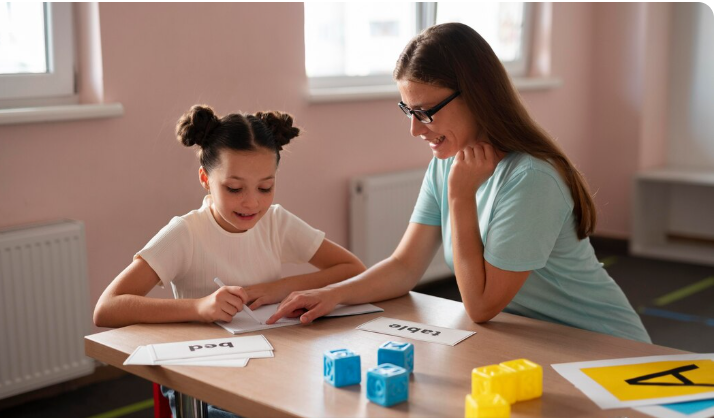
Every parent knows the moment. A favorite cup is in the dishwasher, the TV turns off a minute early, or the classroom gets too loud, and suddenly your child's feelings are bigger than they can handle. For many children with autism, these moments happen often, and they can leave the whole family feeling drained.Emotional regulation is the ability to notice a feeling, manage it, and respond in a way that fits the situation. It is not something children are born knowing how to do. It is a set of skills, and skills can be taught. That is exactly where ABA therapy for emotional regulation in children with autism in North Carolina can help.
Read More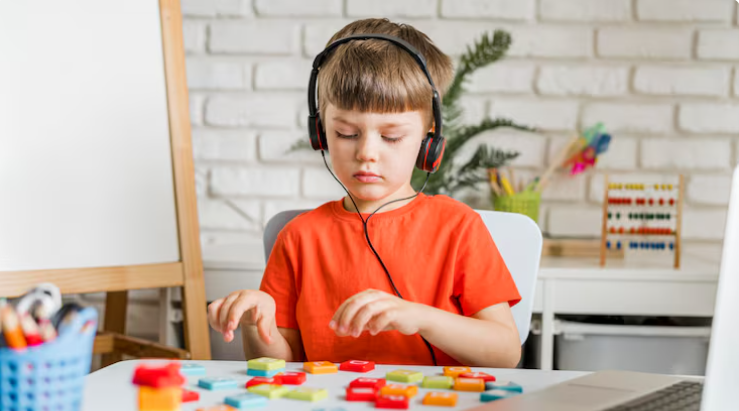
Your first ABA therapy visit is the beginning of a plan built around your child's strengths and your family's goals. Knowing what to bring, what will happen, and what comes next helps you walk in feeling prepared rather than overwhelmed.
Read More