
Getting started with ABA therapy for your child can feel like a lot to manage at once. Between understanding your insurance options, finding a qualified provider, and preparing your child for something new, the process involves real decisions at every step. But knowing what to expect ahead of time makes a significant difference.
This guide walks you through how ABA therapy services in North Carolina actually work, from confirming your child's diagnosis to attending that first session. Each step is explained clearly so you can move through the process with confidence rather than uncertainty.
Applied Behavior Analysis (ABA) is a therapy grounded in the science of learning and behavior. It focuses on understanding how behavior works, how the environment influences behavior, and how behavior changes over time. For children with autism spectrum disorder (ASD), ABA therapy is used to teach skills that support daily functioning, including communication, social interaction, self-care, and emotional regulation.
According to the US Surgeon General, ABA is one of the most thoroughly studied behavioral treatments for autism, with decades of peer-reviewed research supporting its effectiveness across a range of ages and skill levels. In North Carolina, ABA therapy is provided by Board Certified Behavior Analysts (BCBAs) and supervised technicians who work directly with children in clinic, homw:aor school settings.
ABA is most commonly recommended for children under 12, though older children and teenagers also benefit depending on their specific goals and needs.
Before you can begin ABA therapy, your child will need a formal autism diagnosis from a licensed professional. This is typically conducted by a developmental pediatrician, child psychologist:aor neurologist who specializes in autism spectrum disorder.
The diagnostic process usually involves structured observation, standardized assessments, and detailed parent interviews. In North Carolina, you can request a referral from your child's primary care physicianaor contact the Carolina Institute for Developmental Disabilities (CIDD) at UNC Chapel Hill, which provides comprehensive diagnostic services for children across the state.
Once the diagnosis is confirmed, you will receive written documentation that will be required by insurance and the ABA provider.
Most private insurance plans in North Carolina are required to cover ABA therapy for children with autism under the state's autism insurance mandate. This law requires that fully-insured health plans cover ABA services, though coverage amounts and prior authorization requirements vary by plan.
Getting clear answers to these questions before contacting a provider will prevent delays and help you understand your out-of-pocket costs.
Finding the right ABA provider in North Carolina involves more than checking whether they accept your insurance. You want a team that is qualified, communicates clearly, and has experience working with children at your child's developmental level.
At Sunny Skies ABA, every child receives an individualized treatment plan developed by a BCBA following a thorough intake assessment. Our team works across clinic and home settings throughout North Carolina.
Once you have selected a provider and confirmed insurance coverage, the next step is scheduling an initial assessment. This is not a therapy session. It is an evaluation conducted by a BCBA to understand your child's current skills, areas of challenge, and specific goals.
The assessment typically includes direct observation of your child, parent interviews, and standardized evaluation tools. It usually takes between two and four hours, sometimes spread across multiple visits.
The information gathered during this assessment is used to build your child's individualized treatment plan, which outlines target skills, session structure, measurable goals, and how progress will be tracked. You should receive a copy of the treatment plan before services begin and have the opportunity to ask questions or request changes.
ABA therapy works best when sessions are consistent. Recommended hours vary based on your child's needs and treatment goals. Some children receive 10 to 15 hours per week of ABA therapy, while others with more intensive goals may receive 25 to 40 hours per week. Your BCBA will recommend an appropriate number of hours based on the initial assessment findings.
When setting up your schedule, consider:
Consistency is important. Gaps in attendance can slow progress, so building a schedule that your family can realistically maintain is worth the planning time.
Children respond better to new experiences when they have some preparation. Before the first session, talk with your child about what to expect in simple, calm terms. You do not need to provide a detailed explanation. Letting them know they will be working with a friendly person who plays games and practices skills is usually enough for younger children.
If your child has sensory sensitivities, prepare the therapist in advance. Share any known triggers, preferred activities, or communication strategies that work at homw. This helps the therapy team build a positive relationship from the start rather than spending early sessions managing avoidance or anxiety.
It is normal for children to take a few sessions to adjust. Most children warm up quickly once they experience that therapy is structured but also includes activities they enjoy.
The first few weeks of ABA therapy focus on relationship-building and establishing a baseline. The therapist will spend time learning what motivates your child, how they respond to different instructions, and which strategies are most effective for teaching new skills. You may not see dramatic changes immediately, and that is expected.
Progress is tracked through data collected during every session. Your BCBA will review this data regularly and adjust the treatment plan as your child meets goals or when a different approach is needed. Ask your provider how often you will receive formal progress updates and what format those updates take.
Parent training sessions will also begin early in the process. These sessions teach you to use the same techniques at homw, which significantly increases the rate at which your child generalizes skills across different environments.
The length of ABA therapy varies depending on your child's goals and how quickly they progress. Some children participate for one to two years, while others continue longer. Your BCBA will review progress regularly and update the treatment plan as goals are met.
Research consistently shows that early intervention, typically before age five, produces the strongest outcomes. That said, children of all ages benefit from ABA therapy when goals are matched to their current developmental level and the program is well-designed.
Yes. Many ABA providers in North Carolina offer in-homw therapy, where the therapist comes to your homw to work with your child in their natural environment. This setting is often effective for targeting skills related to daily routines such as mealtimes, getting dressed, and bedtime.
Somw insurance plans require a referral from your child's primary care physicianabefore authorizing ABA services. Check with your insurance provider and ask your pediatrician to write a referral if one is needed.
Parent training is a formal part of ABA therapy where caregivers learn to apply behavior strategies at homw. It is not optional. Research shows that children make faster progress when parents and caregivers use consistent approaches across settings.
Starting ABA therapy involves several steps, but each one moves your child closer to meaningful progress. Confirming a diagnosis, understanding your insurance, selecting a qualified provider, completing the initial assessment, and building a consistent schedule are the foundations of a program that works.
If you are ready to take the next step, schedule a free consultation with Sunny Skies ABA. Our team serves families across North Carolina and is here to answer your questions about starting ABA therapy services for your child.
Sources
US Surgeon General's Report on Mental Health – Chapter 3: Children and Mental Health
Behavior Analyst Certification Board – About Behavior Analysis
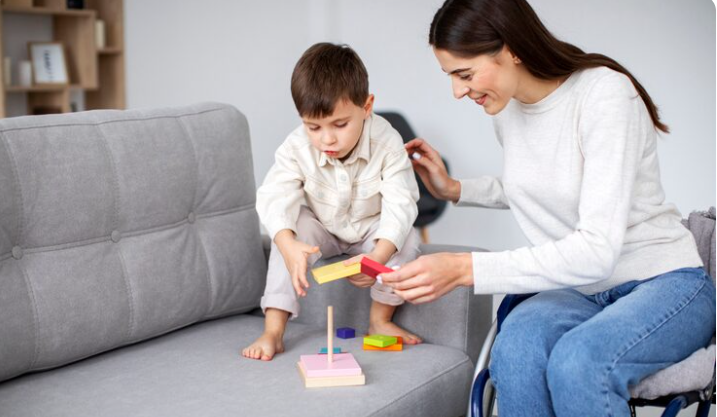
Parents of children with autism in North Carolina often face moments of intense behavior that can feel overwhelming. When a child screams, cries, or falls to the floor in a grocery store, it can be difficult to know whether the behavior is a tantrum or a meltdown. While these two responses may look similar on the surface, they are fundamentally different in cause, function, and how a parent should respond. For families seeking autism therapy in North Carolina, understanding this distinction is one of the most practical tools for supporting a child's daily life.
Read More
Many parents in North Carolina notice their child struggling with focus, social interactions, or emotional regulation and wonder whether autism or ADHD might be the cause. Both conditions can look similar on the surface, especially in early childhood, which is why understanding the differences matters. Getting the right diagnosis early can shape the type of support your child receives, from behavioral therapy to classroom accommodations. For families exploring autism therapy in North Carolina, knowing where autism ends and ADHD begins is a critical first step toward the right care plan.
Read More
Choosing the right autism therapy for your child in North Carolina is a meaningful step toward supporting their growth and independence. By understanding the options available and working with qualified professionals, your family can build a therapy plan that meets your child where they are and helps them reach their full potential. Reach out to Sunny Skies ABA to explore personalized therapy options in Raleigh and across North Carolina.
Read More