
Your child just mastered brushing their teeth in therapy — but refuses to do it at home. Or they’re using words beautifully with their therapist but go silent at school. This is where generalization comes in.
In ABA, generalization means applying a learned skill in different settings, with different people, and under different conditions. Without generalization, even the most carefully taught skills may stay confined to therapy sessions, never benefiting the child’s real-world life.
Generalization is what makes learning functional. A skill isn’t truly mastered until it can be used across places (home, school, community), people (parents, teachers, peers), and materials (different toothbrushes, types of cups, or speech prompts).
ABA programs emphasize generalization so that progress is reliable, sustainable, and meaningful — not just impressive on paper.
1. Practice in Multiple Settings
Don’t limit practice to one room or one time of day. If your child is learning to request items, encourage them to do it in the kitchen, car, store, and playground.
2. Involve Different People
Have grandparents, siblings, babysitters, and teachers practice the skill with your child. This ensures they can respond to more than one voice or prompting style.
3. Use Different Materials
Switch out visuals, change the type of toothbrush, or use different brands of cups to build flexibility.
4. Randomize the Teaching
Avoid robotic drills. Use real-life moments to prompt the skill (“Time to wash hands!” at the park restroom, not just at home).
5. Fade Prompts Gradually
Reduce how much help your child needs over time to encourage independence in multiple environments.
6. Reinforce Across Contexts
Celebrate success everywhere — not just in therapy. If your child greets a stranger at the park, praise them right away.
You are the bridge between therapy and real life. By practicing with your child outside of structured sessions, you ensure that what they learn actually benefits them in daily routines.
Collaborate with your ABA team. Share what’s working (or not) at home. Ask for strategies to promote generalization in common situations — mealtimes, sibling interactions, community outings.
Generalization takes time and creativity, but the payoff is huge. It means your child isn’t just learning for the sake of learning — they’re gaining skills that improve their relationships, independence, and quality of life. And isn’t that the ultimate goal?
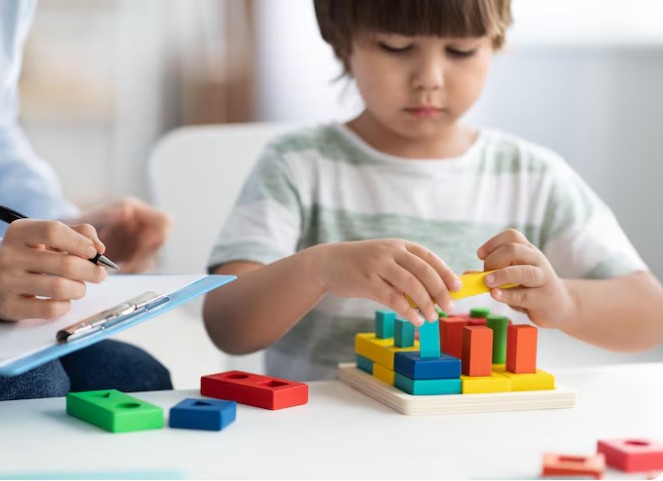
Choosing the right autism therapy for your child in North Carolina is a meaningful step toward supporting their growth and independence. By understanding the options available and working with qualified professionals, your family can build a therapy plan that meets your child where they are and helps them reach their full potential. Reach out to Sunny Skies ABA to explore personalized therapy options in Raleigh and across North Carolina.
Read More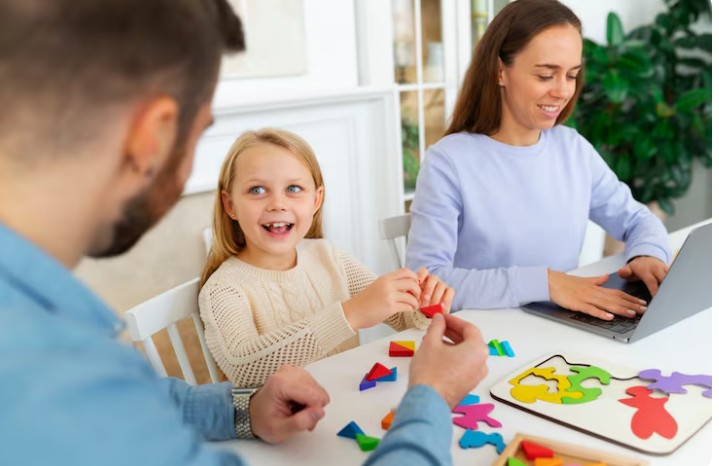
Every parent wants their child to grow up with the confidence and ability to handle everyday tasks independently. For families of children with autism spectrum disorder (ASD) in North Carolina, applied behavior analysis offers a structured, evidence-based path toward building those essential daily living skills. From brushing teeth and getting dressed to following routines and communicating needs, ABA therapy breaks complex tasks into manageable steps that children can learn at their own pace.
Read More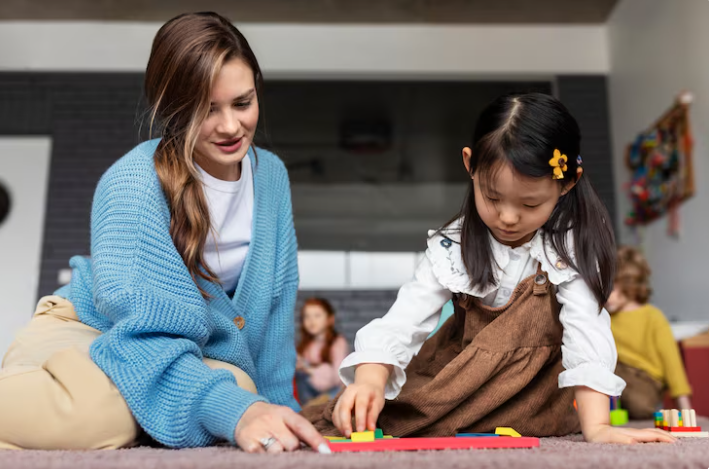
By the time most families start asking about intensive support, they are already tired. Maybe your child gets hurt, or someone else does, when things get overwhelming, and school has started calling before lunch. Maybe you have tried a few hours a week and it has not been enough. None of that means you did something wrong, or that your child is a problem to be fixed.
Read More