
For children with autism spectrum disorder (ASD), social interaction is one of the most challenging areas of daily life. Understanding unspoken social rules, reading facial expressions, knowing how to start a conversation, or simply playing alongside a peer - these are skills that typically developing children pick up naturally but that many autistic children need explicit, structured support to learn.
ABA therapy is the most extensively researched approach for building social skills in children with autism. At Sunny Skies ABA, we provide individualized, in-home ABA therapy across North Carolina that helps children develop meaningful social connections - at their own pace, in their own environment.
Social skills are the behaviors and strategies we use to interact with other people. They include everything from making eye contact and waiting your turn to understanding sarcasm, navigating conflict, and building friendships. For children with autism, deficits in social skills can affect academic performance, family relationships, and long-term independence.
Early and consistent social skills training - especially using ABA methods - has been shown to significantly improve social outcomes for children with autism. The earlier intervention begins, the more opportunity a child has to build a foundation that supports lifelong social participation.Joint attention - looking where someone else is pointing or lookingEye contact - maintaining appropriate gaze during interactionsImitation - copying the actions and words of othersTurn-taking - waiting and alternating during games and conversationFollowing social rules - understanding and following basic behavioral expectations in social settings
ABA therapy approaches social skills development systematically and individually. Rather than using a one-size-fits-all curriculum, a Board Certified Behavior Analyst (BCBA) begins by assessing the child's current social abilities and identifying specific, measurable goals.
The general process looks like this:
1. Assessment: The BCBA evaluates the child's current social skills using standardized tools and direct observation
2. Goal setting: Specific, measurable social skill goals are selected based on the child's age, developmental level, and family priorities
3. Skill breakdown: Each skill is broken into small, teachable steps
4. Instruction and practice: Skills are taught using structured and naturalistic methods with consistent reinforcement
5. Generalization: Skills are practiced across settings (home, community, school) so they transfer to real life
6. Data monitoring: Progress is tracked at every session and goals are adjusted based on the data
ABA therapy targets a wide range of social skills depending on the child's individual needs and developmental level.
These are the building blocks of social interaction that must be in place before more complex skills can develop:
Joint attention - looking where someone else is pointing or looking
Eye contact - maintaining appropriate gaze during interactions
Imitation - copying the actions and words of others
Turn-taking - waiting and alternating during games and conversation
Following social rules - understanding and following basic behavioral expectations in social settings
Skills for initiating and maintaining interaction with other children:
Approaching a peer to play
Asking someone to play or join a game
Sharing and taking turns with toys or games
Playing cooperatively (not just parallel play)
Reading peer behavior and responding appropriately
Skills for verbal and nonverbal communication in social contexts:
Greeting others appropriately
Starting a conversation
Staying on topic
Asking and answering questions
Recognizing when to end a conversation
Emotional and Perspective-Taking Skills
Skills for understanding one's own emotions and those of others:
Identifying and naming emotions in self and others
Eye contact - maintaining apppriate gaze during interactions
Understanding that others have thoughts and feelings different from one's own (theory of mind)
Responding empathetically to others
Managing frustration, disappointment, or conflict in social situations
ABA therapists use a variety of evidence-based methods to teach social skills. The approach is always individualized based on the child's learning style and current level.
Social Stories, developed by Carol Gray, are short, personalized narratives that describe a social situation, the social cues involved, and the expected or appropriate behavior. For example, a social story might walk a child through what happens when another child says "hi" and what a good response looks like. Social stories help children prepare for and understand social situations before they encounter them.
Role-playing allows children to rehearse social interactions in a safe, structured environment before encountering them in real life. A therapist or parent might play the role of a peer or adult, walking the child through a scenario step by step. This gives children the chance to practice and receive feedback without the pressure of a real social situation.
Video modeling involves showing the child a video of someone (a peer, adult, or animated character) demonstrating the target social behavior. The child watches the video, discusses it with the therapist, and then practices the skill themselves. Research consistently shows that video modeling is highly effective for teaching social skills to children with autism.
Where possible, ABA therapists may incorporate practice with same-age peers - either through structured play sessions, sibling involvement, or coordination with school settings. Practicing with real peers is the most naturalistic form of social skills training and the most directly transferable to real life.
Rather than practicing social skills only at a table, NET embeds social skill opportunities into everyday routines and play. During a snack, a child might practice asking a sibling to pass something. During a park visit, they might practice approaching a child on the playground. This approach helps skills generalize more quickly because they are learned in context.
Research and clinical experience consistently show that ABA-based social skills training produces meaningful improvements in children with autism. Key benefits include:
Improved ability to initiate and sustain peer interactions
Greater independence in social settings like school, playgrounds, and community events
Reduced social anxiety and frustration related to misunderstanding social situations
Stronger sibling and family relationships
Better performance in school settings where social participation is expected
Foundation for long-term friendship and community inclusion
North Carolina families have access to ABA therapy services covered by insurance. Under NC SB 676 (Robin's Law), all state-regulated health insurance plans must cover ABA therapy for children under 18 with an autism diagnosis including services that target social skills development.
Sunny Skies ABA provides in-home ABA therapy across North Carolina, including Charlotte, Raleigh, Durham, Cary, Greensboro, and surrounding areas. Our BCBAs design individualized programs that address each child's specific social skill needs, with parent training built in so families can support skill development between sessions.
North Carolina Medicaid also covers ABA services for eligible children, including social skills programming.
Social skills training is most effective when started early ideally as soon as an autism diagnosis is confirmed. However, ABA-based social skills training is effective across all age groups, from toddlers to teenagers. The goals and methods simply shift to match the child's developmental level and social context.
Yes. Social skills are not limited to verbal communication. Even for nonverbal or minimally verbal children, ABA can target important social behaviors like joint attention, eye contact, imitation, play skills, and appropriate responses to social bids. As communication develops (through AAC or verbal language), more complex social skills can be layered in.
Progress depends on the child's starting point, the intensity of services, and how consistently skills are practiced at home and in the community. Some children show meaningful gains within a few months; others require longer-term support. Your BCBA will track data at every session and review progress with you regularly.
Yes parent involvement is essential. Skills learned in therapy sessions will not generalize unless they are practiced in everyday life. Your BCBA will provide training so you can reinforce social skill practice during routines, play, community outings, and family interactions.
Social skills are not a luxury they are essential for your child's quality of life, independence, and happiness. Whether your child is just learning to make eye contact or is working toward making and keeping friends, ABA therapy can make a measurable difference.
At Sunny Skies ABA, we provide compassionate, evidence-based social skills training through in-home ABA therapy across North Carolina. Our BCBAs design individualized programs rooted in the science of behavior and grounded in what matters most to your family.
Contact Sunny Skies ABA today to schedule your free consultation and take the first step toward brighter social connections for your child.
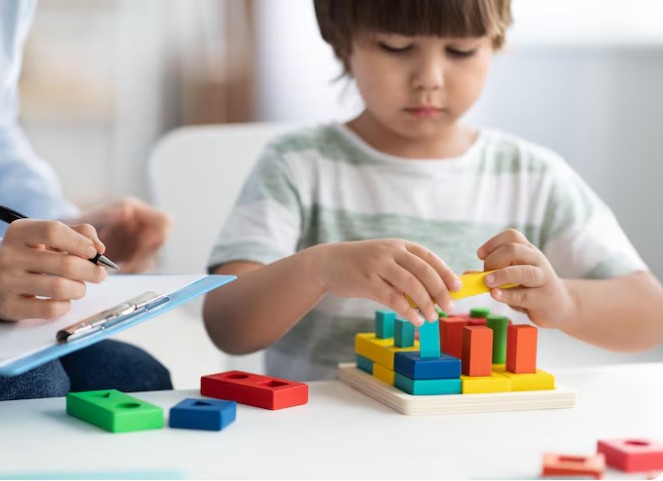
Choosing the right autism therapy for your child in North Carolina is a meaningful step toward supporting their growth and independence. By understanding the options available and working with qualified professionals, your family can build a therapy plan that meets your child where they are and helps them reach their full potential. Reach out to Sunny Skies ABA to explore personalized therapy options in Raleigh and across North Carolina.
Read More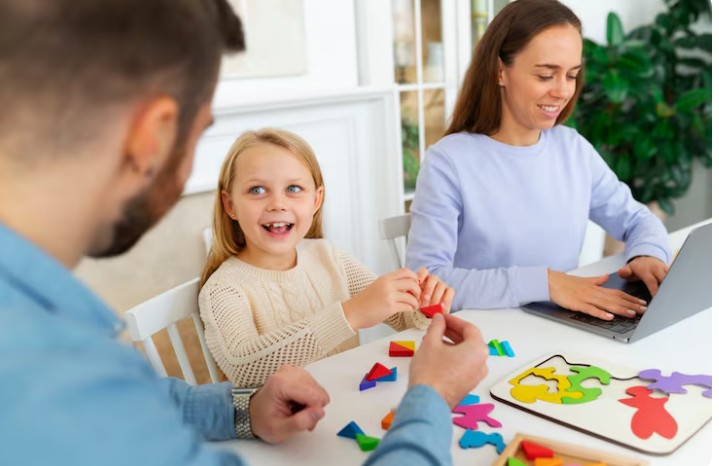
Every parent wants their child to grow up with the confidence and ability to handle everyday tasks independently. For families of children with autism spectrum disorder (ASD) in North Carolina, applied behavior analysis offers a structured, evidence-based path toward building those essential daily living skills. From brushing teeth and getting dressed to following routines and communicating needs, ABA therapy breaks complex tasks into manageable steps that children can learn at their own pace.
Read More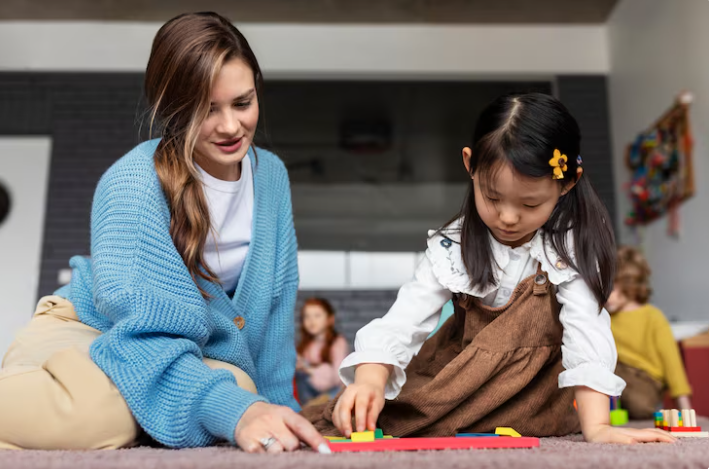
By the time most families start asking about intensive support, they are already tired. Maybe your child gets hurt, or someone else does, when things get overwhelming, and school has started calling before lunch. Maybe you have tried a few hours a week and it has not been enough. None of that means you did something wrong, or that your child is a problem to be fixed.
Read More