For many children with autism, making friends, reading social cues, or joining in group play doesn’t come easily. But that doesn’t mean it can’t be learned. At Sunny Skies ABA, we use targeted strategies to help children develop social skills that open the door to friendships, confidence, and connection.
Social interactions are part of everyday life — from saying “hello” to asking for a turn on the swing. These moments help build a child’s confidence and independence.
Without support, children with autism may struggle with:
That’s where ABA therapy steps in.
Using principles of Applied Behavior Analysis, we break down social interactions into simple, teachable steps. Through repetition, reinforcement, and play, children learn how to:
Each child’s program is personalized to match their age, personality, and skill level.
At Sunny Skies ABA, social learning happens everywhere:
The goal isn’t just to learn — it’s to connect with others in a meaningful way.
Every child is different, but some examples of social goals we target include:
As progress builds, we adjust the goals to grow with your child.
Social skills aren’t just built in sessions — they’re strengthened at home, too. That’s why we involve you in the process. We give you tools and techniques to encourage connection during family routines like dinner, bedtime, and outings.
Social skills unlock opportunities for friendships, learning, and joy. With the right support, even small steps can lead to big breakthroughs.
At Sunny Skies ABA, we believe in every child’s ability to connect — and we’re here to help make that possible.
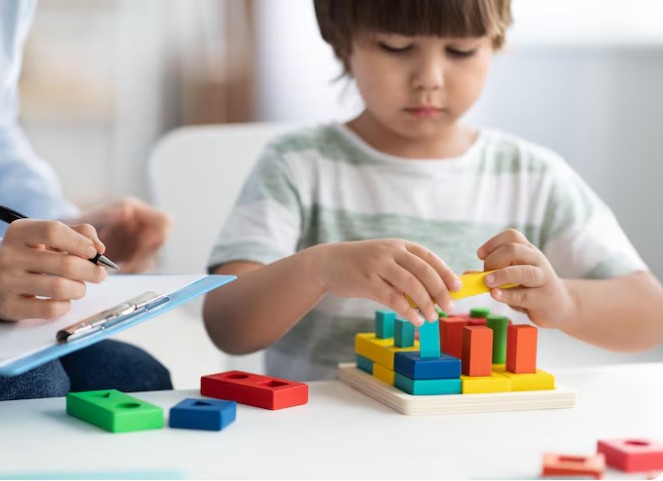
Choosing the right autism therapy for your child in North Carolina is a meaningful step toward supporting their growth and independence. By understanding the options available and working with qualified professionals, your family can build a therapy plan that meets your child where they are and helps them reach their full potential. Reach out to Sunny Skies ABA to explore personalized therapy options in Raleigh and across North Carolina.
Read More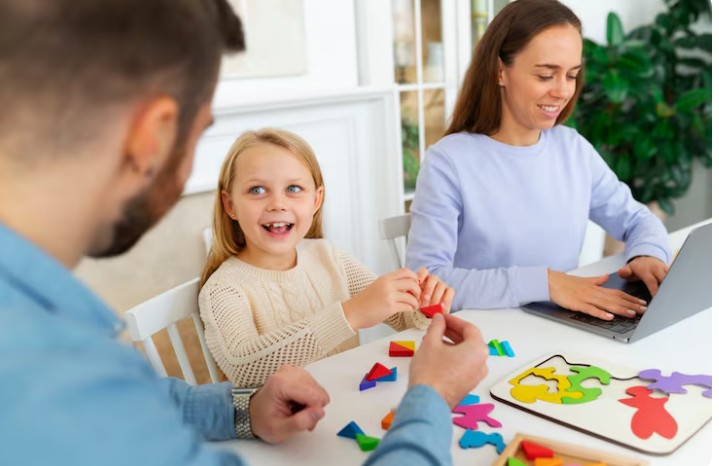
Every parent wants their child to grow up with the confidence and ability to handle everyday tasks independently. For families of children with autism spectrum disorder (ASD) in North Carolina, applied behavior analysis offers a structured, evidence-based path toward building those essential daily living skills. From brushing teeth and getting dressed to following routines and communicating needs, ABA therapy breaks complex tasks into manageable steps that children can learn at their own pace.
Read More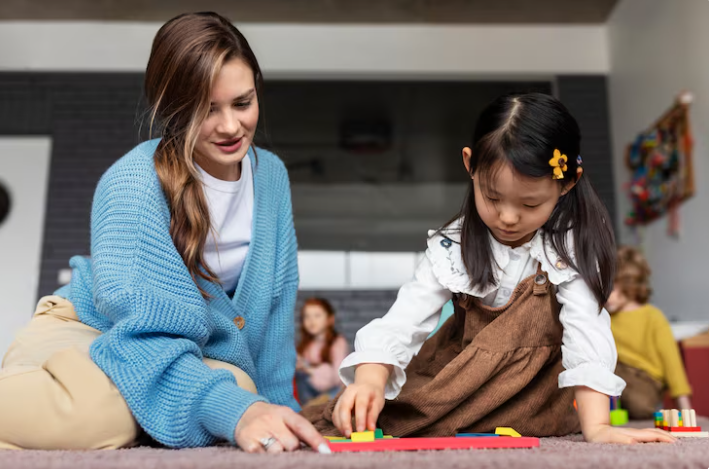
By the time most families start asking about intensive support, they are already tired. Maybe your child gets hurt, or someone else does, when things get overwhelming, and school has started calling before lunch. Maybe you have tried a few hours a week and it has not been enough. None of that means you did something wrong, or that your child is a problem to be fixed.
Read More