
It's a question many parents ask, especially when faced with challenging behaviors. Understanding the "why" behind your child's actions can feel like solving a complex puzzle. Thankfully, Applied Behavior Analysis (ABA) therapy offers a science-backed approach to decoding these behaviors. It helps us understand the true purpose behind every action. This knowledge isn't just for therapists; it's empowering for parents too. When you understand the basic principles of behavior, you gain powerful insights into how to help your child thrive. For families seeking effective support in North Carolina, especially in Raleigh, understanding these functions is a crucial first step in finding the right behavior modification therapy.
In ABA therapy, we believe that all behavior serves a purpose. It's not random. When a child acts in a certain way, they are trying to communicate a need or achieve a desired outcome. These "outcomes" are what we call the "functions of behavior." Identifying these functions is
key to creating effective intervention plans. Instead of just trying to stop a behavior, ABA focuses on understanding its underlying reason. This allows us to teach your child new, more appropriate ways to get their needs met.
Some behaviors happen because a child wants attention from others. This attention can be positive, like praise, or even negative, like a parent scolding them. To a child, any attention might be better than no attention at all. Examples include calling out, making silly noises, or even engaging in disruptive behaviors when they feel ignored. They might throw a toy to get
you to look at them or whine until you respond. The goal is to get a reaction from someone else. ABA strategies focus on teaching appropriate ways to gain attention. This could involve teaching your child to tap your shoulder, use their words, or wait patiently. We also use positive reinforcement to reward these new, desired behaviors. Sunny Skies ABA in Raleigh helps North Carolina families identify these patterns and implement effective strategies, guiding parents to respond in ways that encourage positive social interaction.
Behaviors can also occur when a child wants to get away from something they don't like. This could be a difficult task, a loud noise, an unpleasant demand, or a non-preferred activity. The behavior allows them to escape or avoid the situation. Think of a child who cries during homework, runs away when asked to clean up, or has a tantrum when it's time to transition from playtime to bedtime. These actions serve to remove them from the disliked situation. The immediate relief they feel from avoiding the task reinforces the behavior. In ABA, strategies involve making tasks more manageable, offering choices, or teaching coping skills. We might break a big task into smaller steps or use visual schedules to prepare for transitions. Sunny Skies ABA supports children in North Carolina schools and homes to manage demands effectively, helping them develop the skills to complete tasks rather than avoiding them.
This function is about getting something specific. A child might engage in a behavior to gain access to a preferred item, toy, food, or activity. They want something tangible, and their behavior is their way of trying to get it. Examples include grabbing a sibling's toy, screaming for a video game, repeatedly asking for a particular snack, or having a meltdown in a store when they can't have a desired item. The behavior helps them obtain what they want. ABA strategies involve teaching clear communication skills, often called "manding," to express their desires appropriately. We also work on skills like delayed gratification and sharing. For families across North Carolina, Sunny Skies ABA helps children learn functional
communication. This allows them to ask for what they want in acceptable ways, reducing challenging behaviors.
Sometimes, a behavior produces a desired internal sensation or reduces an undesired one. These behaviors are self-stimulating and don't rely on external social interaction or access to items. They are naturally reinforcing because of how they feel to the individual. Common examples include hand flapping, rocking, making repetitive sounds, or even skin picking. These behaviors might provide sensory input, help regulate emotions, or simply feel good to the child. They are often described as sensory-seeking or sensory-avoiding. ABA strategies include helping children find appropriate ways to meet their sensory needs. This might involve suggesting a "sensory diet" with planned activities or teaching alternative, more socially acceptable sensory behaviors. Sunny Skies ABA in North Carolina carefully assesses and addresses sensory needs for children. This ensures they receive the right support and learn healthy ways to self-regulate.
Knowing the four functions is one thing, but figuring out which function applies to a specific behavior is where a Functional Behavior Assessment (FBA) comes in. An FBA is a systematic process that ABA professionals use to gather detailed information about challenging behaviors. It's like being a detective, looking for clues to understand why a behavior is happening. The FBA typically includes several components. This involves indirect assessments, where therapists interview parents, teachers, and caregivers to gather historical information.

Direct observations are also conducted, watching the behavior unfold in its natural environment. Data collection helps to pinpoint when, where, and with whom the behavior occurs. This comprehensive approach is essential for identifying patterns. Why is an FBA so crucial? It forms the foundation for developing an effective, individualized Behavior Intervention Plan (BIP). Without understanding the function, interventions might not work or could even make the behavior worse. Sunny Skies ABA prides itself on its team's expertise in conducting thorough FBAs for North Carolina families. Our skilled Board Certified Behavior Analysts (BCBAs) ensure that every plan is tailored to your child's unique needs.
Once the FBA identifies the function of a behavior, the real work of intervention can begin. Knowing *why* a child does something guides the entire treatment process. Instead of simply punishing unwanted behavior, ABA focuses on teaching new skills and strategies. This approach emphasizes teaching replacement behaviors. For instance, if a child screams for attention, the intervention isn't just about stopping the screaming. It's about teaching them to tap a parent's shoulder and say "excuse me" instead. This ensures their need for attention is still met, but in a more appropriate way. The focus is on what to *do* rather than just what *not* to do. Positive reinforcement is a powerful tool in this process. When your child uses the new, appropriate replacement behavior, they are immediately rewarded. This makes them more likely to use that new skill in the future. The role of parents is also vital; you become active participants in the therapy, learning to implement strategies at home and generalize skills across different settings. This collaborative effort leads to lasting change.
At Sunny Skies ABA, our team of dedicated BCBAs deeply understands and applies the four functions of behavior. We use this scientific framework to develop highly effective and compassionate treatment plans for children with autism and developmental delays. Our expertise ensures that every intervention is purposeful and designed for success. We believe in individualized treatment. Every child is unique, and so is their behavior. That's why our plans are never one-size-fits-all. Based on thorough FBAs, we create tailored strategies that address your child's specific needs and strengths. This personalized approach maximizes their potential for growth and learning. Sunny Skies ABA is proud to offer a family-centered approach. We empower parents in Raleigh and throughout North Carolina by providing training and support. You are an essential part of your child's therapy team, and we equip you with the knowledge and tools to promote positive changes at home and in the community. We are committed to making a difference for local families. Our local focus means we are dedicated to serving families right here in Raleigh, NC, and surrounding communities.

We understand the specific needs and resources available in North Carolina. When it comes to behavior modification therapy North Carolina parents can rely on our compassionate care and commitment to your child's well-being. We also offer assistance with insurance navigation, helping you understand coverage and connecting you with approved ABA providers.
Understanding the four functions of behavior is a powerful lens through which to view and address challenging behaviors. It moves us beyond frustration and guesswork, offering a clear path to effective intervention. By recognizing whether a behavior is for attention, escape, access to tangibles, or sensory needs, we can respond in ways that teach, support, and empower children. Sunny Skies ABA is committed to bringing this deep understanding and expertise to North Carolina families. We believe that every child deserves the chance to communicate their needs effectively and develop skills that will lead to a fulfilling life. Ready to understand your child's behavior and find effective solutions in North Carolina? Contact Sunny Skies ABA today for a consultation and take the first step toward a brighter future for your child.
My child's tantrums are completely overwhelming, and nothing seems to work. How does ABA therapy in North Carolina help us understand *why* these behaviors are happening, and what can we do about them?
ABA therapy in North Carolina starts by conducting a Functional Behavior Assessment (FBA) to pinpoint the specific reason or "function" behind your child's tantrums. This helps us understand if they are seeking attention, trying to escape a task, or wanting a tangible item. Once we know the "why," we can teach your child more appropriate ways to get their needs met, like using words to ask for a break, and reinforce those new skills positively.
I'm worried about my child's future, especially their ability to learn and interact. How does understanding the "functions of behavior" in ABA specifically contribute to teaching my child new skills and improving their communication, rather than just stopping unwanted behaviors?
Understanding behavior functions is fundamental to skill acquisition. When we know the function, we can teach your child a "replacement behavior" that serves the same purpose but is more constructive. For example, if a child throws a tantrum for a toy (access to tangibles), we teach them to politely ask for it. This not only reduces the tantrum but also builds crucial communication and social skills, empowering them for future learning and interaction.
We're located in Raleigh, NC, and trying to find the best ABA therapy for our child. How will Sunny Skies ABA conduct an assessment to figure out the unique reasons behind *my* child's behaviors, and how will that lead to a personalized plan that really works for *our family*?
At Sunny Skies ABA in Raleigh, our Board Certified Behavior Analysts (BCBAs) conduct thorough FBAs involving parent interviews, direct observation, and data collection. This helps us understand the specific triggers and consequences related to your child's behaviors. The FBA results directly inform a highly individualized Behavior Intervention Plan (BIP), designed with your family's routine and goals in mind, ensuring a plan that truly works for your child and home environment.
My child often engages in repetitive movements, and I'm not sure if it's just 'autism' or if there's a reason for it. Can ABA therapy in North Carolina help us understand if these behaviors serve a sensory purpose, and what strategies can be used to support their sensory needs positively?
Absolutely. Many repetitive movements serve an "automatic reinforcement" or sensory function. Our ABA therapists in North Carolina are skilled at assessing whether these behaviors provide desired sensory input or help your child regulate. We then work to implement strategies like providing appropriate sensory outlets or teaching alternative, more functional behaviors that meet those same sensory needs, helping your child manage their sensory experiences positively.
Our insurance is a major concern. If we pursue behavior modification therapy with Sunny Skies ABA in North Carolina, how will you help us navigate insurance coverage and ensure that understanding the functions of behavior leads to therapy that our plan will approve and support?
Sunny Skies ABA understands that insurance is a priority for North Carolina families. We have a dedicated team that assists with insurance verification and helps you understand your benefits for behavior modification therapy. Our comprehensive assessments and data-driven treatment plans, which are built upon understanding the functions of behavior, are designed to meet clinical necessity criteria. This approach helps ensure that the therapy we provide is not only effective but also typically supported and approved by insurance providers.
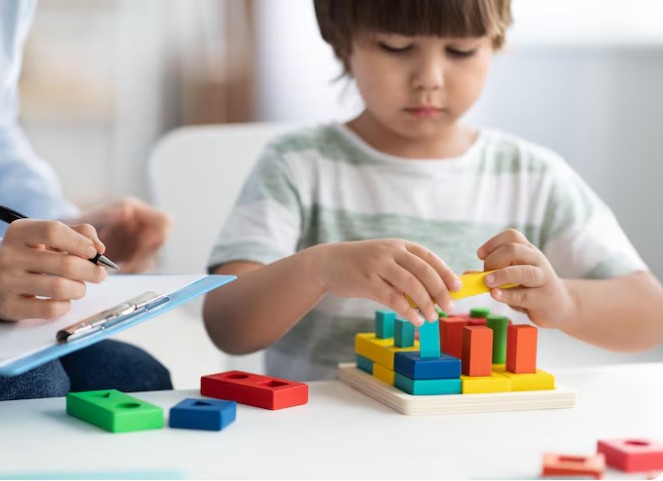
Choosing the right autism therapy for your child in North Carolina is a meaningful step toward supporting their growth and independence. By understanding the options available and working with qualified professionals, your family can build a therapy plan that meets your child where they are and helps them reach their full potential. Reach out to Sunny Skies ABA to explore personalized therapy options in Raleigh and across North Carolina.
Read More
Every parent wants their child to grow up with the confidence and ability to handle everyday tasks independently. For families of children with autism spectrum disorder (ASD) in North Carolina, applied behavior analysis offers a structured, evidence-based path toward building those essential daily living skills. From brushing teeth and getting dressed to following routines and communicating needs, ABA therapy breaks complex tasks into manageable steps that children can learn at their own pace.
Read More
By the time most families start asking about intensive support, they are already tired. Maybe your child gets hurt, or someone else does, when things get overwhelming, and school has started calling before lunch. Maybe you have tried a few hours a week and it has not been enough. None of that means you did something wrong, or that your child is a problem to be fixed.
Read More